

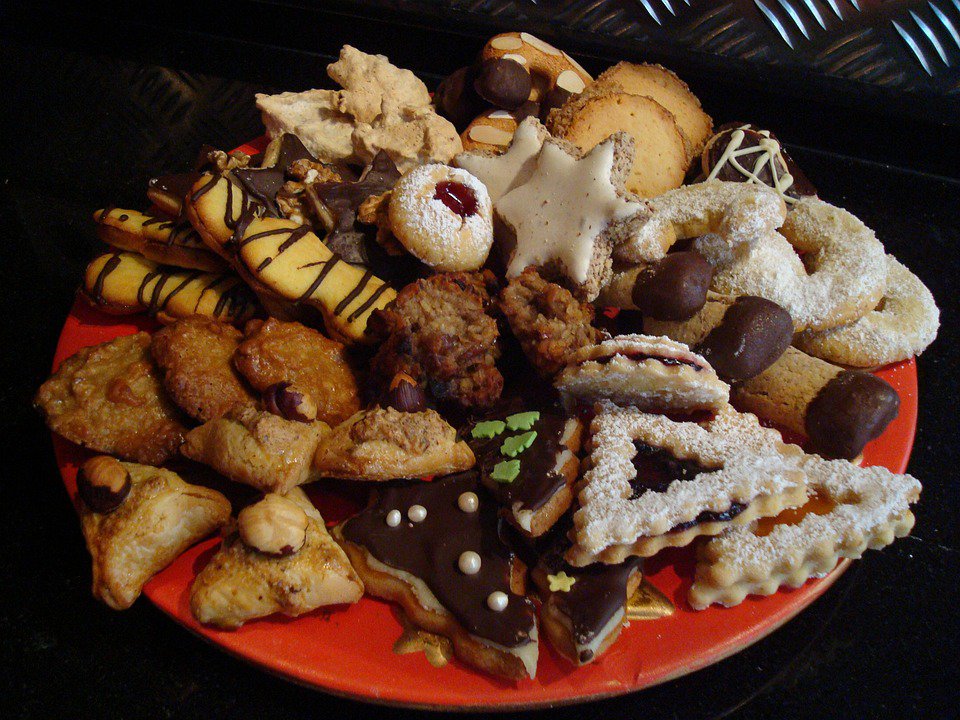
In Spain, the end-of-year festivities run from 22 December to 6 January.
Throughout this period, several traditional meals are held, each more indulgent than the last. Even though there is no single typical Spanish Christmas meal (there are as many different menus as there are regions), here is a little overview of what you can enjoy at Christmas in Spain.
The « Nochebuena » meal, on 24 December
As varied as Spanish culture itself, Christmas menus are strongly shaped by the traditions and typical ingredients of each region. However, over the years, certain shared customs have emerged for Christmas Eve, known as the « Nochebuena ».
The Spanish Christmas meal usually begins with a selection of local products such as ham, cheeses or egg-based starters. An abundance of seafood and shellfish (lobster, prawns, oysters…) fills the table and evokes Mediterranean flavours.
The starter continues with a soup or a broth enriched with vegetables and/or meatballs.
The main course, for its part, consists of a cut of meat. The traditional roast capons or turkeys give way, in some families, to lamb, duck, veal or a kid stew.
As for drinks, Spanish white and red wines liven up the meal throughout the various courses.
The madness of Spanish Christmas desserts
This is probably the most typical part of the Spanish Christmas meal. Strongly marked by the country's historic Arab culture, the festive desserts are made up of many almond-based sweets. The most common treats are:
- Turrón : originating from Alicante, this honey-and-almond nougat now comes in countless flavours such as chocolate, coconut, candied fruit…
- Mazapán : traditional Spanish marzipan looks like small round biscuits made with almonds, sugar and egg whites. They are also sometimes shaped into figurines during the festive period.
- Polvorones or Mantecados : these are shortbread biscuits flavoured with ground almonds, grated lemon and cinnamon
Throughout the whole end-of-year festive period, these treats are scattered across the tables and offered to anyone who rings the doorbell.
The New Year's meal
To toast the New Year in Spain, custom dictates drinking cava, the Spanish sparkling wine. On the 12 strokes of midnight, tradition is to eat 12 grapes, one for each chime. Each grape represents a month of prosperity for the year ahead.
After a suitably festive New Year, the typical breakfast consists of « chocolate con churros » (a hot chocolate with churros), to help you recover.
The Three Kings parade cake
In Spain, it is not Father Christmas who hands out the presents, but rather the Three Kings, on 6 January. To celebrate this day of festivity for young and old alike, it is customary to serve the « Roscón de los reyes ».
This kind of traditional Kings' cake is made of a sweet brioche dough shaped into a ring, filled with cream or chocolate and decorated with colourful candied fruit. In the centre, a paper crown sits atop the cake. It is meant for whoever finds a small figurine of the king in their portion. On the other hand, if you find a dried bean, tradition dictates that you pay for the cake.